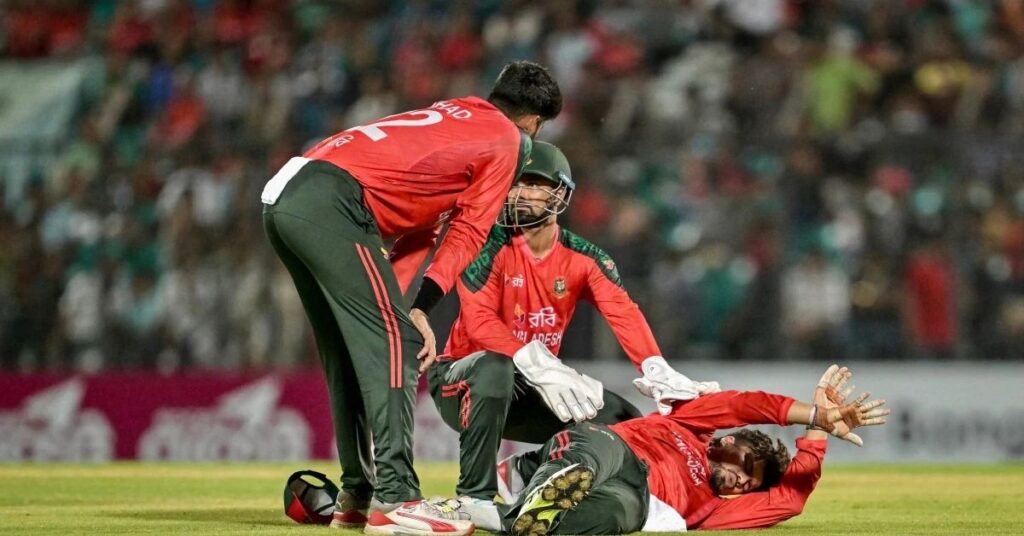

Bangladesh cricket is facing one of its most challenging periods in recent history as the Bangladesh Premier League (BPL) has been put on hold following the failure of crucial negotiations between key stakeholders. The situation has raised serious concerns about governance, financial stability, player welfare, and the long-term credibility of Bangladesh’s flagship domestic T20 tournament.
The suspension of BPL matches has not only disrupted the ongoing season but has also sent shockwaves across the cricketing ecosystem in Bangladesh. From players and franchises to broadcasters and fans, the impact of the crisis is being felt at multiple levels. As details continue to emerge, the failed “negotiation” has become a symbol of deeper structural issues within Bangladesh cricket.
This blog takes an in-depth look at the crisis engulfing Bangladesh cricket, the reasons behind the stalled negotiations, how the BPL reached this point, and what it means for the future of the league and the sport in the country.
Bangladesh Premier League: A Tournament Under Pressure
The Bangladesh Premier League was launched with the aim of strengthening domestic cricket, providing financial opportunities for local players, and increasing Bangladesh’s presence in the global T20 ecosystem. Over the years, the BPL has had moments of success but has also been plagued by administrative challenges, financial disputes, and inconsistent planning.
Unlike some of the more stable franchise leagues around the world, the BPL has often struggled with:
- Irregular scheduling
- Ownership and franchise instability
- Payment delays to players
- Last-minute organisational changes
The current crisis, which has led to matches being put on hold, is seen by many as the culmination of long-standing unresolved issues rather than a sudden breakdown.
What Led to the Failed Negotiation?
At the heart of the crisis lies a failed negotiation involving the Bangladesh Cricket Board (BCB), franchise owners, players, and other stakeholders. While official statements have remained cautious, reports suggest that the talks revolved around financial guarantees, operational commitments, and compliance with agreed contractual obligations.
Key points believed to be part of the negotiation include:
- Outstanding payments to players and staff
- Revenue sharing models between BCB and franchises
- Operational costs and financial transparency
- Assurances related to match scheduling and logistics
When negotiations failed to produce a mutually acceptable outcome, authorities had little choice but to pause BPL matches, deepening the crisis within Bangladesh cricket.
Player Payments and Welfare at the Centre of the Dispute
One of the most critical issues in the Bangladesh Premier League crisis is player payment security. Over multiple seasons, players—both domestic and overseas—have raised concerns about delayed or incomplete payments.
In a professional T20 league, timely payment is not just a contractual obligation but a matter of trust and credibility. The latest standoff reportedly intensified when players and their representatives sought firm guarantees rather than verbal assurances.
For many local players, the BPL represents a major source of income. Any uncertainty around payments directly affects their livelihood and morale, making this issue central to the failed negotiation.
Impact on Domestic Players
The suspension of BPL matches is particularly damaging for domestic Bangladeshi cricketers. Unlike international stars who may have opportunities in multiple leagues, local players rely heavily on the BPL for:
- Match exposure
- Financial stability
- Selection opportunities for the national team
With matches on hold, players are left in limbo, unsure when the tournament will resume or whether contractual commitments will be honoured. This uncertainty can have a long-term impact on performance and career development.
Overseas Players and Bangladesh Cricket’s Global Image
The crisis also affects overseas players participating in the BPL. In recent years, Bangladesh cricket has worked to attract international talent to enhance the league’s competitiveness and global appeal.
However, repeated controversies around payments and organisation risk damaging Bangladesh cricket’s reputation internationally. Overseas players and agents closely monitor how leagues handle disputes, and the current situation could make future recruitment more difficult.
A league placed on hold due to failed negotiations sends a worrying signal to the global cricket community.
Franchises Caught in the Middle
Franchise owners are another group directly impacted by the crisis. Operating a T20 franchise involves significant financial investment, including:
- Player salaries
- Support staff costs
- Marketing and logistics
- Venue and operational expenses
If revenue streams are disrupted due to halted matches, franchises face mounting losses. The failed negotiation has exposed gaps in financial planning and risk management, leaving some franchises questioning the sustainability of the current BPL model.
Bangladesh Cricket Board’s Role and Responsibility
The Bangladesh Cricket Board plays a central role in the unfolding crisis. As the governing body, the BCB is responsible for ensuring that the league operates within a stable, transparent, and professional framework.
Critics argue that:
- Oversight mechanisms have been weak
- Financial safeguards were insufficient
- Long-term planning was lacking
Supporters of the BCB, however, point out that balancing the interests of franchises, players, and broadcasters is complex and that negotiations can break down despite best efforts.
Regardless of perspective, the current crisis has intensified scrutiny of governance within Bangladesh cricket.
BPL Matches on Hold: Immediate Consequences
Putting BPL matches on hold has several immediate consequences for Bangladesh cricket:
- Loss of momentum for the tournament
- Disruption to broadcast schedules
- Reduced fan engagement
- Financial strain on all stakeholders
The timing is especially damaging, as T20 leagues rely heavily on continuity and viewer engagement. Even a short suspension can significantly affect the league’s commercial value.
Fan Reaction and Public Perception
Fans have reacted with frustration and disappointment to the news of BPL matches being put on hold. For many, the Bangladesh Premier League is a source of entertainment, national pride, and connection to the sport.
Social media discussions reflect growing concern that repeated crises are eroding trust in the league’s management. Public perception plays a critical role in the success of any sports league, and regaining fan confidence will be a major challenge once the immediate crisis is resolved.
Comparison With Other T20 Leagues
The situation in Bangladesh cricket stands in stark contrast to the stability seen in some other T20 leagues around the world. Successful leagues share common characteristics:
- Clear governance structures
- Strong financial backing
- Transparent contracts
- Effective dispute resolution mechanisms
The BPL’s current difficulties highlight the importance of these elements. Without structural reforms, Bangladesh cricket risks falling behind in the increasingly competitive T20 landscape.
Structural Issues Beyond the Current Crisis
While the failed negotiation has triggered the immediate halt of BPL matches, analysts believe the problem runs deeper. Structural issues within Bangladesh cricket include:
- Overreliance on short-term solutions
- Inconsistent franchise models
- Limited long-term commercial planning
- Weak enforcement of contractual obligations
Addressing only the current dispute without tackling these underlying problems may lead to similar crises in the future.
Impact on Bangladesh’s Cricketing Ecosystem
The effects of the BPL crisis extend beyond the tournament itself. Bangladesh cricket’s ecosystem includes:
- Grassroots development programs
- Domestic first-class and limited-overs competitions
- National team preparation
Financial instability at the league level can reduce investment in development programs and affect the overall growth of the sport in the country.
What Needs to Change to Save the BPL?
For the Bangladesh Premier League to recover and thrive, several changes are necessary:
- Stronger financial oversight and guarantees
- Transparent and enforceable contracts
- Clear accountability for franchises
- Long-term strategic planning by the BCB
Restoring trust among players, franchises, and fans must be the top priority. Without decisive reforms, the credibility of the BPL will remain under threat.
Possible Outcomes of the Current Crisis
There are several potential outcomes to the ongoing crisis:
- Successful renegotiation and resumption of matches
- Structural changes to the league’s operational model
- Franchise exits or ownership changes
- Reduced international participation in future seasons
The direction Bangladesh cricket chooses in the coming weeks will shape the future of the BPL.
Lessons for Bangladesh Cricket
Every crisis presents an opportunity for reflection and reform. The suspension of BPL matches due to failed negotiation offers valuable lessons:
- Professional leagues require professional management
- Player welfare must be non-negotiable
- Transparency builds long-term credibility
- Short-term compromises can lead to long-term damage
Learning from these lessons is essential if Bangladesh cricket hopes to strengthen its domestic structures.
Long-Term Implications for Bangladesh Cricket
If unresolved, the current crisis could have long-term implications:
- Loss of confidence among players
- Reduced commercial interest
- Decline in league quality
- Challenges in attracting global talent
On the other hand, decisive action and reform could turn this moment into a turning point for Bangladesh cricket.
Conclusion: A Critical Moment for the BPL and Bangladesh Cricket
The deepening crisis in Bangladesh cricket, marked by the failed negotiation and suspension of Bangladesh Premier League matches, is a defining moment for the sport in the country. It has exposed vulnerabilities that can no longer be ignored.
Whether this episode becomes a temporary setback or a catalyst for lasting reform depends on how stakeholders respond. The future of the BPL, and to a significant extent Bangladesh cricket’s domestic structure, hangs in the balance.
For the sake of players, fans, and the sport’s long-term growth, meaningful solutions must replace short-term fixes. Only then can confidence be restored and the Bangladesh Premier League regain its rightful place in the global T20 calendar.