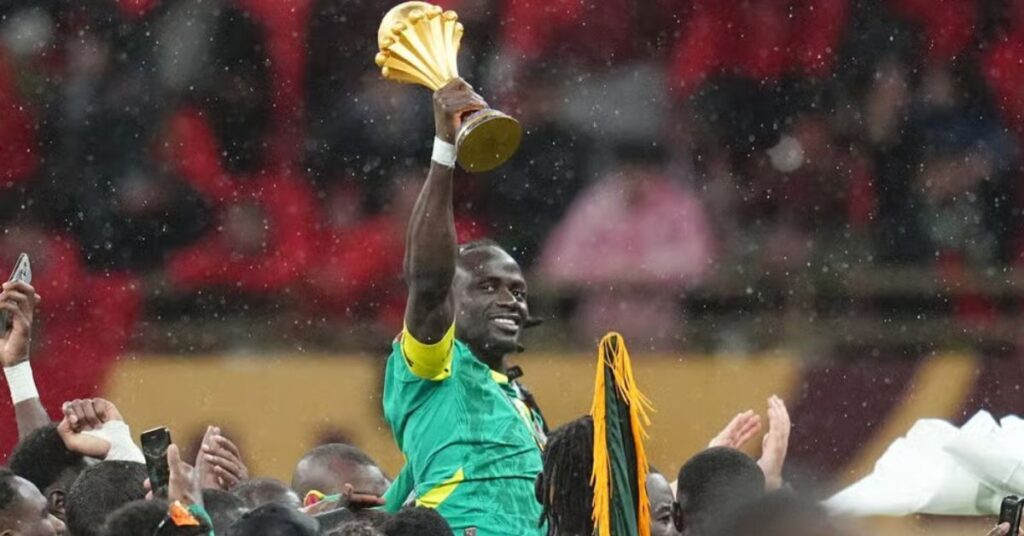

The AFCON 2025 final between Senegal and Morocco will be remembered as one of the most extraordinary, controversial, and emotionally charged matches in the history of African football. What began as a high-stakes showdown between two continental heavyweights ended in unprecedented scenes, as Senegal were declared winners after Morocco walked off the pitch, bringing the final to a dramatic and controversial conclusion.
The match was more than just a football contest. It became a story of pressure, officiating decisions, protests, player emotions, and administrative rulings that overshadowed the football itself. As live developments unfolded, fans across Africa and beyond watched in disbelief as the final descended into chaos, ultimately handing Senegal the AFCON 2025 title in circumstances few could have predicted.
This blog provides a full, SEO-optimised, long-form account of the AFCON 2025 final, covering live-style updates, match flow, the walk-off incident, reactions from players and coaches, official decisions, fan response, and the wider implications for African football. The structure and narrative are intentionally different from standard match reports to ensure a fresh, engaging reading experience.
A Dream Final With Heavy Expectations
The AFCON 2025 final was billed as a clash worthy of the occasion. Senegal and Morocco arrived with contrasting styles but similar ambitions.
Senegal came into the final as:
- Defending champions
- A physically dominant, tactically disciplined side
- A team built around experience and tournament know-how
Morocco, on the other hand, were:
- Technically refined
- Riding momentum from a strong knockout run
- Confident in their ability to control games through possession
With millions watching across the continent, expectations were sky-high for a classic final.
Opening Phase: Tension Over Rhythm
From the first whistle, it was clear that nerves would play a role. The opening minutes were marked by:
- Cautious passing
- Strong defensive organisation from both sides
- Midfield battles rather than free-flowing attacks
Neither team wanted to concede early, and the match settled into a tactical stalemate. Senegal focused on physical duels and compact shape, while Morocco attempted to dictate tempo through short passing.
First Half Turning Point: Controversial Decisions Begin
As the first half progressed, the tone of the match began to shift. Several refereeing decisions drew visible reactions from both benches, but Morocco appeared increasingly frustrated.
Key moments included:
- A denied penalty appeal for Morocco
- A tight offside call that ruled out a Moroccan chance
- Multiple fouls breaking the rhythm of play
While Senegal maintained composure, Morocco’s players were seen engaging more frequently with the referee, hinting at growing dissatisfaction.
Senegal Strike First Amid Rising Tension
Against the run of possession, Senegal took the lead. A swift transition caught Morocco’s defence off guard, resulting in a goal that sent the Senegalese bench into celebration.
The goal:
- Rewarded Senegal’s direct approach
- Shifted psychological momentum
- Increased pressure on Morocco to respond quickly
Morocco protested in the build-up, claiming a foul moments earlier, but the goal stood after brief consultation.
Morocco’s Response: Control Without Reward
Trailing in a final, Morocco increased their attacking intent. Live play suggested:
- Higher defensive line
- More numbers committed forward
- Increased tempo in midfield circulation
However, Senegal’s defensive discipline held firm. Chances came and went, but Morocco struggled to convert pressure into clear-cut opportunities.
The frustration was becoming visible not just among players, but on the Moroccan bench as well.
Second Half: The Match Boils Over
The second half began with renewed intensity, but also heightened tension. Tackles became firmer, protests louder, and emotions harder to control.
A series of incidents escalated matters:
- A contentious yellow card shown to a Moroccan defender
- Another penalty appeal waved away
- Lengthy stoppages for discussions with officials
Each decision added fuel to an already volatile atmosphere.
The Moment That Changed Everything
The defining incident arrived midway through the second half. After a challenge in Senegal’s penalty area, Morocco once again appealed for a penalty. The referee not only rejected the appeal but booked a Moroccan player for dissent.
This decision triggered an immediate reaction:
- Moroccan players surrounded the referee
- The bench erupted in protest
- Play was halted for several minutes
Live broadcast footage showed animated discussions between Moroccan officials and match delegates on the sidelines.
Morocco Walk Off the Pitch
In scenes rarely witnessed at this level, Morocco’s players began walking off the pitch following instructions from the technical area.
As the referee waited for play to resume:
- Senegal’s players stood confused near the centre circle
- Stadium officials attempted to intervene
- Announcements were made urging Morocco to return
Despite these efforts, Morocco did not return to the field within the stipulated time.
Referee’s Decision and Official Ruling
After prolonged delays and consultations with CAF officials, the referee officially abandoned the match. Under competition regulations, the refusal to continue play resulted in Senegal being awarded the victory.
The decision:
- Confirmed Senegal as AFCON 2025 champions
- Sparked immediate debate across football circles
- Raised serious questions about officiating and governance
While the rules were clear, the circumstances were extraordinary.
Senegal Crowned Champions in Unusual Fashion
Senegal’s players celebrated cautiously at first, visibly aware of the unusual manner of their triumph. Eventually, celebrations began, but they were tinged with disbelief rather than pure joy.
For Senegal:
- The title was official
- The achievement historic
- The context deeply controversial
Winning an AFCON final by walk-off was unprecedented in modern tournament history.
Immediate Player Reactions
Post-match reactions reflected the complexity of emotions.
Senegalese players spoke of:
- Pride in retaining the title
- Disappointment that the final ended as it did
- Respect for Morocco as opponents
Moroccan players expressed:
- Anger at officiating decisions
- Frustration at being denied what they felt were fair calls
- Determination to seek explanations from CAF
Coaches’ Post-Match Statements
The Senegal coach maintained a measured tone, emphasizing:
- Respect for the rules
- Focus on his team’s discipline
- Regret that football was overshadowed
The Moroccan coach, meanwhile, was visibly emotional, questioning:
- The consistency of refereeing
- The handling of VAR-related decisions
- The broader treatment of his team during the tournament
These contrasting reactions reflected the divided narrative surrounding the final.
Fan Reaction Across Africa and Beyond
Fan response was immediate and intense.
Supporters of Senegal celebrated:
- Another continental title
- Their team’s composure under chaos
Moroccan fans reacted with:
- Outrage on social media
- Calls for accountability
- Demands for transparency from CAF
Neutral fans expressed disbelief that a final could end in such circumstances, with many calling it one of the most controversial AFCON conclusions ever.
Media and Expert Analysis
Football analysts across Africa and Europe weighed in rapidly.
Common themes included:
- Criticism of officiating standards
- Debate over Morocco’s decision to walk off
- Concern for the image of African football
Some experts argued that walking off set a dangerous precedent, while others insisted that extreme decisions reflected accumulated frustration.
What the Rules Say
According to tournament regulations:
- A team refusing to continue play forfeits the match
- The opposing team is declared winner
- Disciplinary action may follow
From a legal standpoint, the outcome was straightforward. From a sporting perspective, it remains deeply contentious.
Impact on AFCON’s Reputation
AFCON has long battled perceptions of inconsistency and controversy. This final:
- Reinforces concerns about officiating quality
- Highlights the need for clearer communication
- Raises questions about crisis management during matches
CAF is now under pressure to respond decisively to protect the tournament’s credibility.
Potential Disciplinary and Administrative Fallout
In the aftermath, attention has turned to possible consequences:
- Fines or suspensions for Morocco
- Review of refereeing performance
- Internal CAF investigations
Decisions made in the coming weeks could shape future tournament protocols.
Senegal’s Legacy: Champions Amid Chaos
Despite the controversy, Senegal’s achievement cannot be erased.
They:
- Defended their AFCON crown
- Remained composed under extreme circumstances
- Followed regulations to their conclusion
History will record them as champions, even if debate continues over how that title was secured.
Morocco’s Painful Exit
For Morocco, the final will be remembered as a missed opportunity and a moment of rupture.
They leave the tournament with:
- Questions unanswered
- A sense of injustice
- A need for reflection on decision-making under pressure
How this affects their future campaigns remains to be seen.
A Final That Will Be Debated for Years
Football history is filled with controversial moments, but few rival this.
This AFCON 2025 final will be discussed for:
- The walk-off itself
- The officiating decisions that led to it
- The broader implications for African football governance
It is a match that transcended sport and entered the realm of controversy.
Conclusion
The AFCON 2025 final between Senegal and Morocco ended in circumstances no one could have imagined. Senegal were crowned champions after Morocco walked off the pitch, bringing an abrupt and controversial end to African football’s biggest stage.
While the result stands officially, the debate surrounding it is far from over. This final has raised fundamental questions about officiating, governance, and how football authorities manage moments of extreme tension.
For Senegal, it is another title added to their growing legacy. For Morocco, it is a bitter chapter filled with frustration and unanswered questions. For AFCON, it is a defining moment that demands reflection and reform.
Long after the trophy presentation, this final will be remembered not for goals or tactics, but for a decision that stopped a continent’s biggest match in its tracks.